BLOG
Wooden parquet near the fireplace or radiator: what risks?
Wooden parquet is an increasingly popular aesthetic and functional choice in the home. An elegant floor par excellence, capable of recreating a dreamy, old-fashioned atmosphere. However, when placed close to heat sources such as fireplaces or radiators, certain risks may arise that are important to take into consideration to preserve the beauty and durability of your wooden floor over time. Let’s discover them together.
Wood and heat: the effects to consider
Heat exerts a considerable influence on parquet wood, manifesting itself through a series of effects that need attention and care. One of the critical aspects to consider is the expansion and contraction of the boards in relation to changes in temperature. In the worst-case scenario, the proximity of a chimney or radiator can significantly influence these fluctuations: excessive temperature variations could cause the wood boards to expand or retract, potentially leading to cracking or warping. Excessive exposure to heat can also contribute to the drying of wood, generating small surface cracks. But as we have said, this is the worst-case scenario. In homes, temperatures are usually quite stable. The only special attention may be paid to circumscribed spots in the room, those near radiators and the fireplace.
To mitigate these risks, it is essential to maintain a balanced temperature and humidity, between 15% and 20%, in the room. Installing a humidifier can be useful to prevent the wood from losing its natural elasticity.
Another factor to consider is the type of wood used for the parquet.
Some types of wood are more prone to changes in temperature and humidity than others. For example, oak is known for its strength and stability, making it a preferred choice in environments subject to climatic changes. On the other hand, more delicate woods may require special care and more attention to indoor climate management.
Moreover, it is important to pay attention to the recommended safety distances. Experts recommend maintaining at least a certain distance between the wooden floor and the fireplace or radiator to avoid overheating the floor. This space allows the wood to react gradually to changes in temperature without being damaged beyond repair.
In conclusion, placing a wooden parquet floor near the fireplace or radiator requires a little extra care, but with the right precautions and careful maintenance, it is possible to enjoy the beauty of this floor without compromising its durability. Choosing the right type of wood, maintaining the right humidity level and following expert recommendations are crucial steps to ensure that a parquet floor can withstand the heat of fireplaces and radiators without losing its natural charm over time.
Underfloor heating: bonuses and deductions
Fireplace and parquet? The perfect combination to create an ambience of timeless elegance
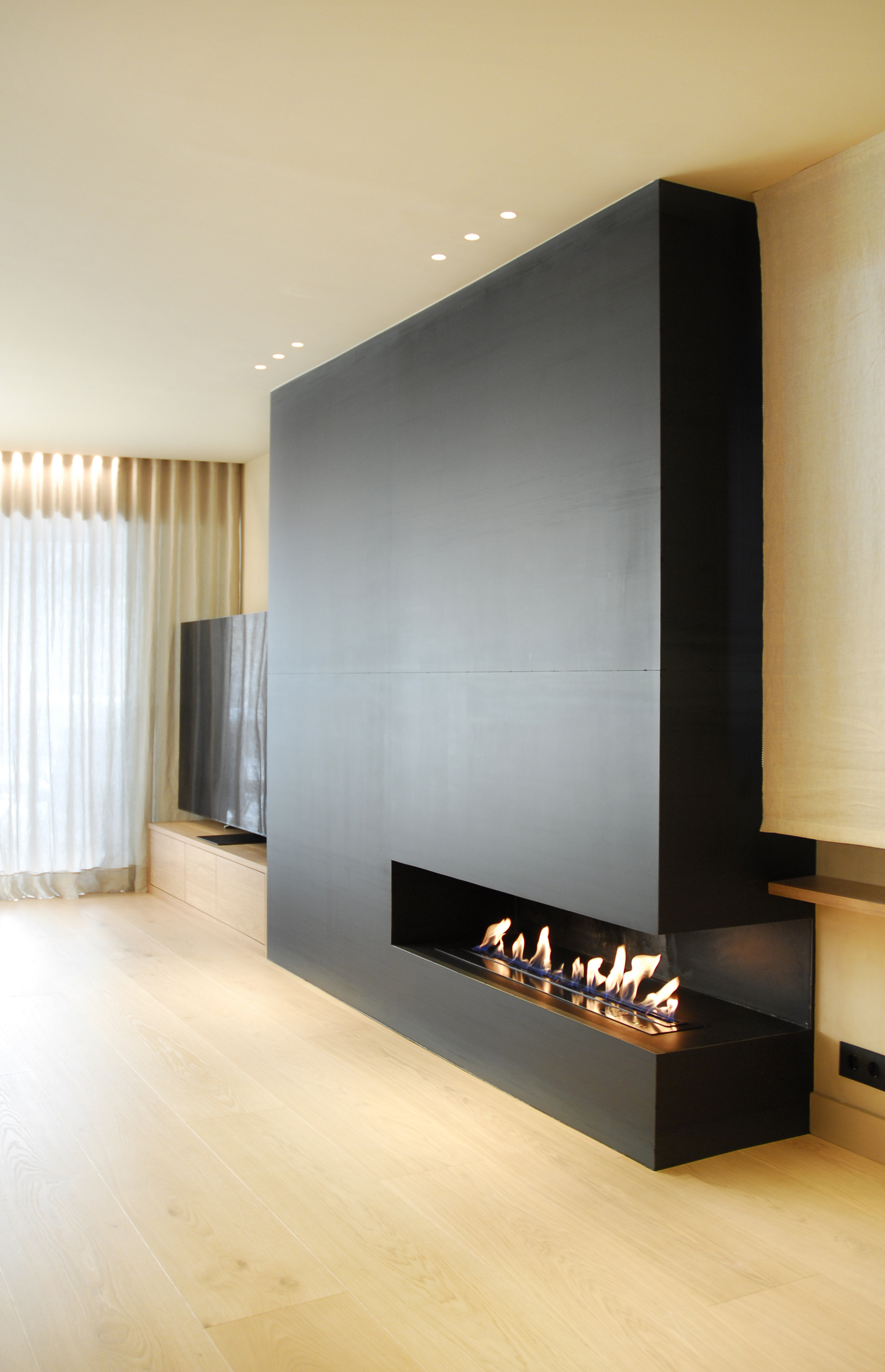
No-one can deny it: the combination of the charm of the fireplace and the elegance of parquet flooring is a winning combination that gives the home a unique, cosy atmosphere. Think about it, in how many films have we seen it? And in how many interior design magazines? This confirms that the choice of combining a fireplace with parquet flooring not only adds a physical warmth to the home, but also creates visual warmth, offering an unrivalled aesthetic and sensory experience. First, the fireplace has always been perceived as the beating heart of a home because it exudes an enveloping warmth that transcends the mere thermal aspect. Combined with a parquet floor, it creates a harmonious contrast between the robustness of the materials surrounding the fire and the delicate refinement of wood. The grandeur of the flames is perfectly complemented by the intrinsic beauty of the parquet, creating a cosy and sophisticated atmosphere. The aesthetics of this combination are impressive. The contrast between the colour of the wood and the fire of the fireplace creates a visually satisfying arrangement. The natural nuances of the parquet floor blend harmoniously with the warm tones of the flames, creating a cosy and homely mood. The light from the fire reflects off the wooden floor, enhancing the feeling of warmth and comfort. But which wood types are best for this combination? Certainly, those with natural and warm colours. So we recommend the most popular wood types: walnut stands out for its enveloping tones, with its rich, warm hues that lend a touch of elegance. Cherry is another popular choice, with its red-brown colour creating a cosy and sophisticated atmosphere. Mahogany, with its red and dark golden hues, is popular for its timeless beauty. Oak, versatile and durable, offers warm tones that suit a wide range of furnishing trends.
To sum up, the choice of combining the charm of the fireplace with the warmth and elegance of a parquet floor is inspired by a combination of aesthetic, practical and sensory factors. This union creates a unique ambience, where the appeal of tradition blends with modern functionality, offering a refined and cosy home living experience.
Maintaining parquet in combination with traditional heating: useful tips
As we have said, wood is a valuable and delicate material that maintains its vitality even after being installed. The extraordinary fact that it can retain and distribute heat makes it a valuable ally during the cold season. But how can we ensure a balanced coexistence between parquet and traditional heating? Here are some basic tips for the proper maintenance.
The key to preserving parquet is to maintain the correct balance between humidity and temperature. Humidity should stay constant while the air temperature should vary between 15° and 20° and not fall below 10°. Conditions outside these parameters not only damage the parquet floor but can also have a negative influence on the air quality and thus on health. However, if your house is equipped with conventional heating, it is crucial to bear in mind that wood can exchange its internal humidity with that of its surroundings. Consequently, the most sensitive spots for parquet flooring will be those near radiators and windows. But no worries: to ensure the durability of parquet over time, it is sufficient to check that the rooms are properly ventilated and that the air does not become excessively dry due to conventional heating. The use of special humidifier trays can be particularly handy to maintain the right level of humidity and thus preserve the beauty and integrity of the wooden floor over time. With proper care and attention, a parquet floor can continue to radiate warmth and beauty, becoming a durable and charming element in the home ambience.
Read also: Wooden parquet and underfloor heating
Summing up, all you need to do to prevent the risks associated with temperature fluctuations from fireplaces or radiators is to maintain a balanced temperature and humidity inside your home to protect the condition of your parquet floor over time. To this careful care, we always recommend adding regular maintenance, room ventilation and the use of humidifiers. These are essential practices to mitigate the impacts of heat on parquet wood, preserving its beauty and durability over the years.
Read also: Wooden floors and children