BLOG
Parquet or tiles: which floor to choose?
When it comes to choosing the ideal floor for your home, there is often always the same question of indecision: parquet or tiles?
Both options offer considerable advantages and have special features that can significantly influence the aesthetics and functionality of the floor in your home. On the one hand, parquet, with its timeless elegance and the natural warmth of wood, is often the first choice for those who want to create a cosy and refined atmosphere. On the other hand, tiles offer exceptional durability and easy cleaning, making them ideal for high-traffic areas and moisture-prone spaces like kitchens and bathrooms. So, which one to choose? In this article, we explore in detail the advantages of parquet and tiles, providing a comparative analysis to help gain clarity and make a decision without any doubt.
The features of parquet: elegance and natural warmth
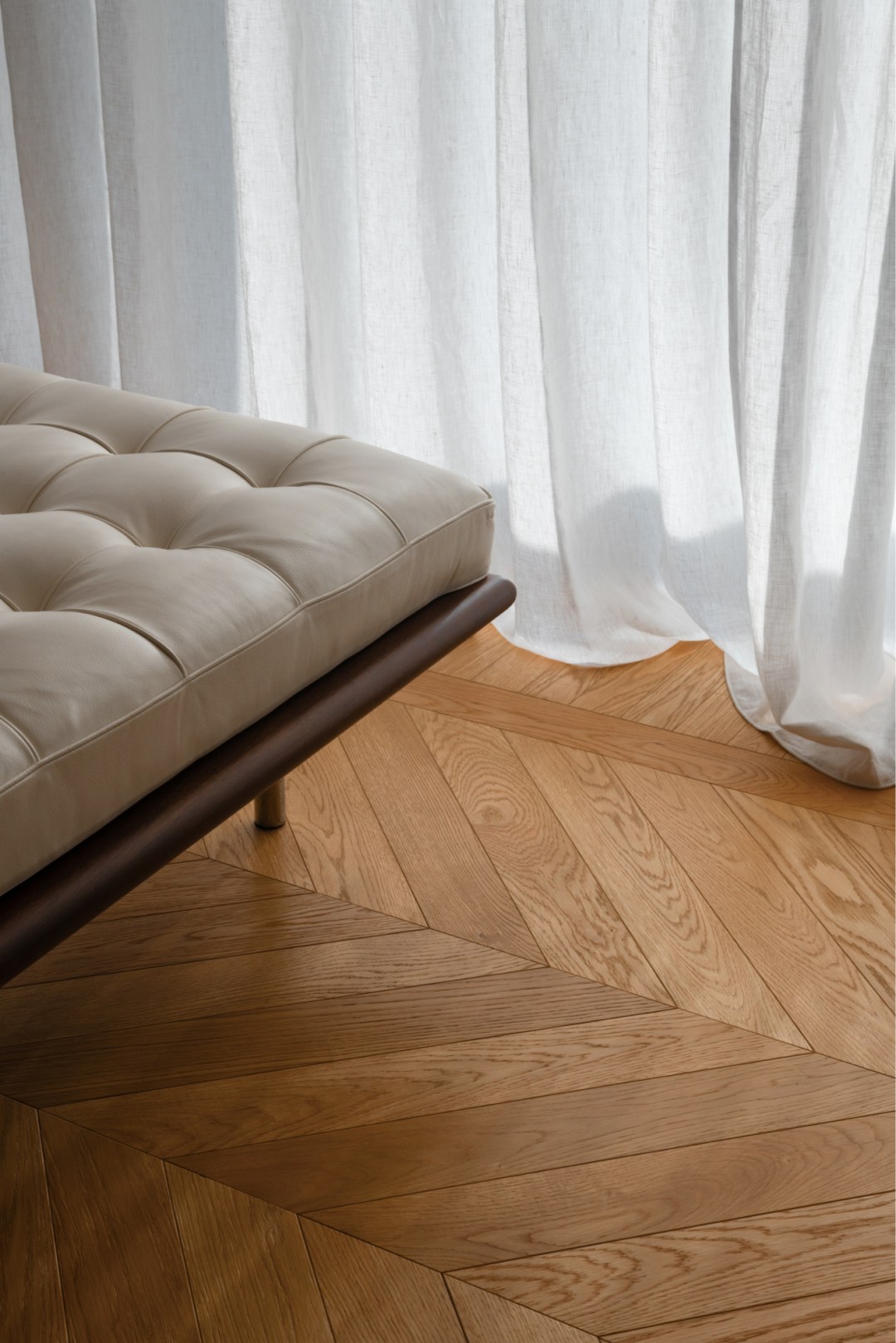
No denying: parquet is one of the most popular flooring solutions due to its fascinating aesthetic appeal and excellent qualities. This is the floor that best of all offers a touch of elegance and natural warmth to any home ambience. But make no mistake: not all parquet floors are the same. In fact, wooden floors can be very different from one another. Essences and workmanship can change the look of the parquet boards to the point of customising the entire floor. And this is another advantage of parquet: you can customise it until you achieve the result that best matches the style of your home.
Essences, processing, laying and finishing: how to choose parquet
The most commonly used essences of wood include oak, cherry, walnut, teak and maple. Each of these essences has specific characteristics in terms of hardness, colour and grain. Oak, for example, is valued for its robustness and aesthetic versatility, while teak is known for its resistance to moisture and weathering.
Processing, however, lends the wood different aspects: smooth, sanded, brushed, or sawn. There are many solutions and each one provides a very different result on the parquet boards. Parquet finishes can also vary considerably, influencing not only the visual appearance but also the maintenance of the floor. The main finishes include varnishing, oiling and waxing. Varnishing offers high surface protection and eases cleaning, making the floor resistant to daily wear and use. Oiling, instead, penetrates the wood, nourishing it and maintaining its natural look, but needs more frequent maintenance. Waxing gives a matt and natural look but is less resistant than the other finishes.
Another aspect to consider when choosing a parquet floor is the installation process: it is possible to choose between glued installation, floating installation and nailed installation. Glued laying involves gluing the boards directly to the subfloor, ensuring greater stability and reducing walking noise.
Floating installation involves placing the planks on an insulating layer without the use of glue, making installation faster and allowing the floor to be easily removed in the future. Nailed installation is less common and requires the use of a wooden subfloor on which the planks are nailed, offering great stability.
Mardegan Legno collections do not contain exotic wood species, such as teak or iroko, as it would be difficult to trace their origin, unlike, for example, Slavonian oak, which we process directly locally.
Read the article, the most popular parquet treatments and processes.
The characteristics of wood, the functional advantages of parquet
Parquet offers a wide range of advantages, including a high thermal and acoustic insulation capacity. Thermal insulation helps maintain warmth inside the room during the cold months and a cooler temperature during the summer. Acoustic insulation helps reduce noise inside the house. Wood has in fact the ability to absorb and attenuate sound, reducing trampling noises and improving the quality of sleep and rest. Moreover, another advantage is that the naturalness of wood adds to a comfortable environment, improving indoor air quality thanks to the ability of wood to absorb and release moisture.
To summarise, parquet is a floor with a thousand possible faces. But one thing is certain: regardless of the workmanship, essence and finish chosen, the result is a floor with an elegant and timeless beauty, offering important functional advantages such as technical and acoustic insulation, ideal for imparting a sophisticated and luxurious atmosphere to the entire home.
Why tiles: durability, originality, functionality.
Tiles are a popular choice for flooring thanks to their exceptional durability and resistance. made of various materials such as ceramic, porcelain, marble and natural stone, tiles are designed to withstand heavy use and withstand a variety of environmental factors. Their solid structure and long-lasting beauty make them an ideal choice for areas of intense use and environments prone to humidity.
One of the main characteristics of tiles is their water resistance. This makes them ideally suited for kitchens, bathrooms, laundry rooms and even outdoor spaces like patios and terraces. The moisture resistance of tiles prevents deterioration and the formation of mould, ensuring a long life and a fresh, clean appearance.
Another great advantage of tiles is that they are easy to clean and maintain. Unlike other materials, tiles do not need special treatments and can be easily cleaned using common detergents. An added value of the tiles is the wide range of materials and finishes in which they are available: shiny, matt, non-slip and textured surfaces… in short, the design and functional possibilities are infinite.
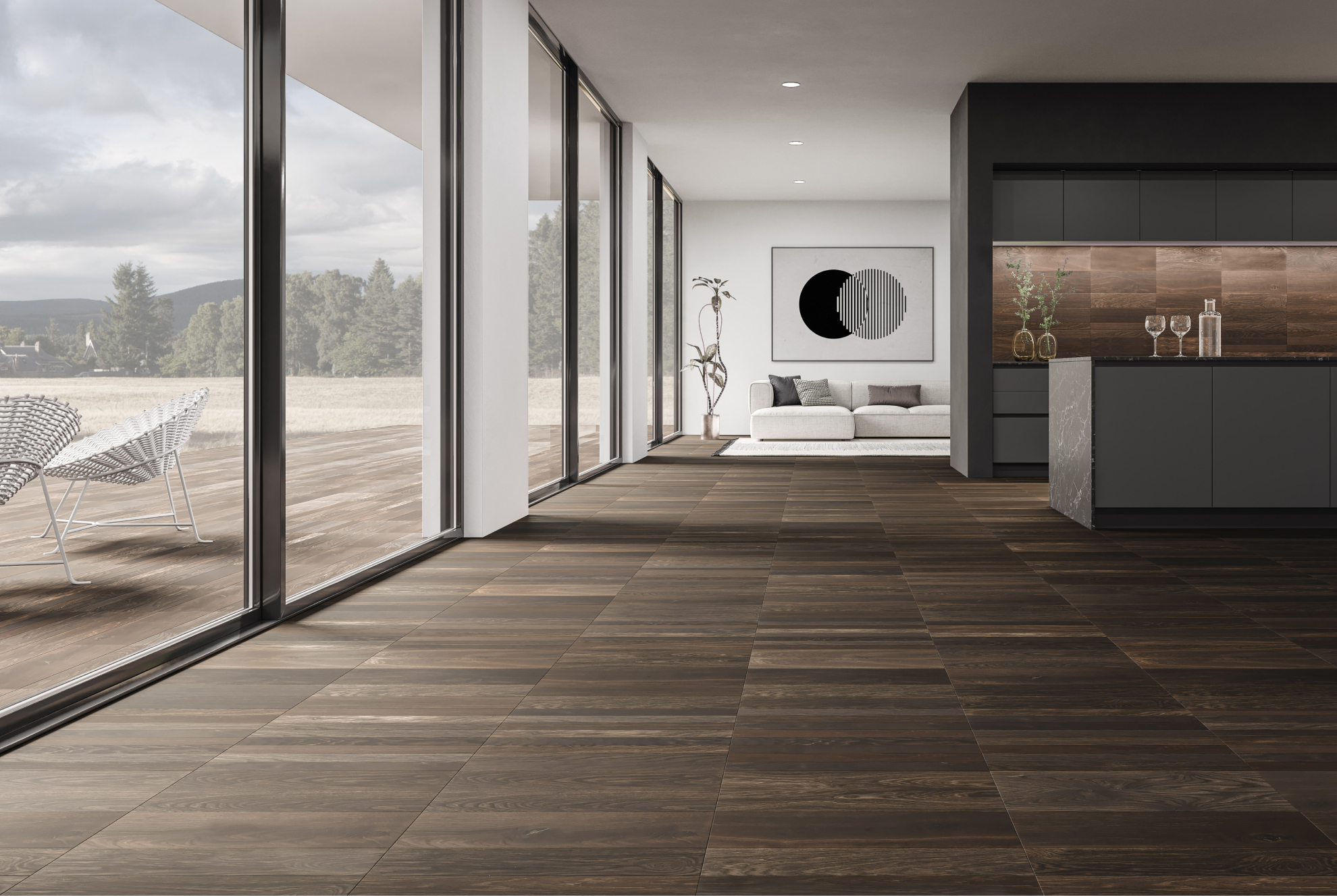
The versatility of tiles also reflects in their ability to adapt to any style and aesthetic need. Available in a wide range of colours, shapes, sizes and patterns, tiles can be used to create unique and customised designs. From mosaic tiles used for decorative details to large sizes for a modern and minimalist look, from wood effect tiles to marble or natural stone, the solutions are countless and allow for achieving the desired aesthetic appearance with the added benefits of durability and reduced maintenance.
In conclusion, the choice between tiles and parquet depends mainly on each person’s specific needs and aesthetic preferences. Parquet, with its timeless elegance and the natural warmth of wood, is the perfect choice for those looking for a cosy and refined living space, a luxury home. It offers excellent insulation properties, both thermal and acoustic, and is a sustainable choice for anyone looking for an environmentally friendly floor. On the other hand, tiles are notable for their extraordinary durability and resistance. Perfect for rooms that are used intensely. The fact that they are easy to clean and maintain, as well as the wide range of designs available, makes tiles a practical and versatile choice for any living context.